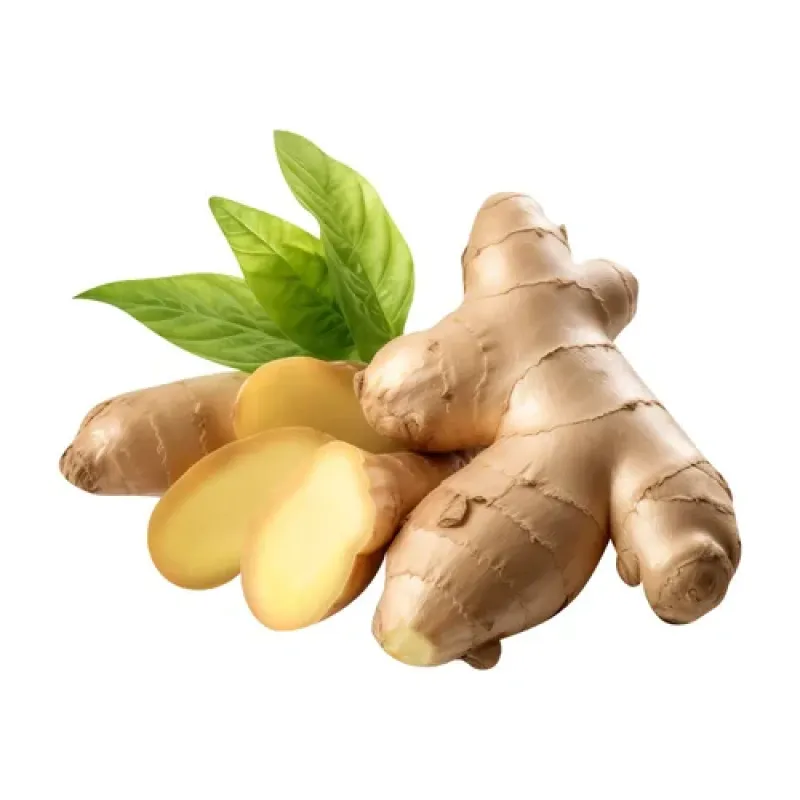
Buying fresh vegetables in bulk can make procurement easier for restaurants, hotels, caterers, retailers, food processors, distributors, and other commercial businesses. But placing a large order is not simply about getting a lower price per kilogram. Fresh produce has a limited shelf life, and the quality you receive, the quantity you can actually use, and the way the vegetables are transported and stored all affect the real value of your purchase.
For businesses buying vegetables in bulk, a little planning can prevent unnecessary waste and supply problems. Freshness, vegetable grade, seasonal availability, storage space, delivery schedules, and supplier consistency deserve attention before confirming a wholesale order.
Start With the Quantity Your Business Can Actually Use
The right bulk quantity depends on how quickly your business consumes vegetables. Ordering too much can leave you with produce that loses freshness before it reaches the kitchen, production line, or retail shelf.
Look at previous purchasing records and work out your average daily or weekly requirement. It also helps to consider changes in demand, upcoming events, seasonal sales, and the shelf life of the vegetables being purchased.
Before placing an order, consider:
- Average daily or weekly consumption
- Available storage space
- Expected demand during the ordering period
- Shelf life of each vegetable
- Preparation and trimming losses
- Frequency of available deliveries
A restaurant may need frequent smaller deliveries, while a food processor or distributor may have enough turnover to handle much larger quantities.
Freshness Has a Direct Impact on Value
Freshness should be checked carefully when purchasing bulk fresh vegetables. A vegetable may look acceptable at first glance but still have a shorter usable life because of delayed harvesting, poor handling, or unsuitable storage.
Fresh produce generally needs to show the characteristics expected for that particular vegetable. Buyers can look for natural color, suitable firmness, clean surfaces, and the absence of obvious decay.
Pay attention to bruises, cuts, soft areas, excessive moisture, unpleasant odors, or visible spoilage. These issues can become more noticeable after delivery and may increase the amount of produce that needs to be discarded.
For commercial buyers, freshness is closely linked with cost because the usable portion of an order matters just as much as the price paid for it.
Look Beyond Appearance When Checking Quality
Good-looking vegetables are useful for retail presentation, but appearance alone does not tell you everything about a bulk consignment. Size, texture, uniformity, cleanliness, and grade can be equally important.
| Quality Aspect | What to Check |
|---|---|
| Size | Consistency within the ordered quantity |
| Color | Natural color appropriate to the vegetable |
| Texture | Suitable firmness and condition |
| Surface | Minimal bruising cuts or damage |
| Cleanliness | Properly handled and visibly clean |
| Uniformity | Similar grade and size across the lot |
The right specification depends on the application. Retailers may prioritize uniform appearance, while restaurants and processors may require particular sizes or varieties for preparation.
Seasonal Availability Can Influence Your Purchase
Vegetable supply changes throughout the year, and seasonal conditions can affect availability, quality, size, and pricing. Buyers who keep track of seasonal supply can plan their purchases more realistically.
Harvest timing also deserves attention. Fresh produce that reaches the buyer soon after harvesting generally has more time available for storage and use than vegetables that have already spent a considerable period in transit or storage.
When dealing with the fresh vegetable market, it helps to discuss seasonal availability before committing to a large quantity. This can make procurement planning easier and reduce the chance of ordering a specification that is difficult to source at a particular time.
Know the Source of the Vegetables
The sourcing route can influence freshness and delivery time. Vegetables may come through farms, agricultural collection points, wholesale markets, or other supply channels before reaching a commercial buyer.
Knowing where the produce is sourced can help buyers assess transportation requirements and seasonal availability. It also gives businesses a better basis for discussing their requirements with a fresh vegetable supplier.
For regular purchases, consistency matters. If a particular grade, variety, or size is required every week, the supplier needs to be able to maintain that specification as far as market availability permits.
Compare Price With the Quantity You Can Use
A cheaper quotation is not necessarily the cheaper purchase. If a bulk consignment contains a higher proportion of damaged, overripe, undersized, or unusable vegetables, the initial saving may disappear through wastage.
When comparing wholesale vegetables, consider the complete purchasing cost rather than looking only at the quoted rate.
Important points include:
- Price per kilogram or unit
- Expected usable quantity
- Vegetable grade and size
- Delivery charges
- Packaging requirements
- Possible wastage
- Consistency of future supply
This gives buyers a more practical way to compare offers from a bulk vegetable supplier.
Transportation Can Affect Freshness
Fresh vegetables are sensitive to handling, pressure, temperature, and transportation delays. The longer produce remains in unsuitable conditions, the greater the chance that its freshness will decline before it reaches the buyer.
Delivery timing should match the business's receiving and storage arrangements. A restaurant may need vegetables before preparation begins, while a retailer may need them at a specific time for sorting and display.
For larger orders, buyers should discuss delivery schedules, transportation arrangements, and handling expectations with the fresh vegetables wholesale supplier before the shipment is dispatched.
Why Choose Us – Ashron Corporation?
Ashron Corporation is an experienced agro export company focused on supplying quality Indian agricultural products to customers across global markets. With a strong sourcing network, experienced professionals, quality-focused processes, and efficient logistics, we provide products in specifications suited to customer requirements. Our emphasis on consistent quality, reliable service, bulk order capabilities, and timely delivery helps us build strong and lasting trade relationships with customers worldwide.
Our Features
- Wide distribution network across domestic and international markets
- Experienced and dedicated professional workforce
- High-quality Indian agro products
- Customized specifications based on customer requirements
- Efficient sourcing and quality control processes
- Capability to handle bulk orders
- Spacious warehousing and reliable transportation support
- Timely delivery with customer-focused service
- Products aligned with industry quality standards
- Strong focus on complete customer satisfaction
Make Sure Your Storage Space Matches the Order
A large purchase only makes sense if there is enough suitable space to store it. Overcrowding vegetables can make inspection, stock rotation, and handling difficult.
Different vegetables can have different storage needs, so businesses should consider the conditions available at their premises. Ordering more than the facility can comfortably handle may lead to faster deterioration.
One practical approach is to match delivery quantities with actual storage capacity. For highly perishable vegetables, more frequent deliveries may sometimes be preferable to one oversized shipment.
Packaging and Handling Deserve Attention
Bulk vegetables can experience bruising or damage when they are packed, loaded, transported, or unloaded without sufficient care. Packaging should be appropriate for the particular vegetable and the distance it needs to travel.
Crates, cartons, bags, baskets, or other containers may be used depending on the produce and supply arrangement. The main concern is that the packaging protects the vegetables without creating unnecessary pressure or moisture problems.
Careful handling throughout the delivery process can help preserve the condition of the produce before it reaches its final storage or preparation area.
Match the Vegetable Specification With Its Purpose
A vegetable specification that works for one buyer may not work for another. Retail display, restaurant preparation, catering, food processing, and distribution can all require different sizes, grades, or varieties.
Before ordering from a bulk vegetables supplier, clearly communicate:
- Required vegetable variety
- Preferred size
- Required grade
- Total quantity
- Delivery date
- Quality expectations
Clear specifications reduce confusion and make it easier to receive produce that fits the intended application.
Keep Wastage Under Control
Wastage is one of the easiest costs to overlook when buying fresh produce. Peeling, trimming, bruising, spoilage, and over-ordering can all reduce the quantity that eventually reaches the customer or production process.
Keep records of which vegetables generate the most waste and how quickly different products are consumed. That information can make future purchasing decisions more accurate.
The aim is not simply to buy the largest quantity at the lowest rate. A better approach is to purchase the quantity you can use, at a suitable quality, within the available shelf life.
Create a Practical Buying Routine
Regular wholesale purchasing becomes easier when decisions are based on actual consumption rather than last-minute shortages. Previous order quantities, seasonal supply, storage capacity, delivery schedules, and wastage records can all be used when planning future purchases.
After receiving an order, review the condition of the vegetables and note whether the quantity was suitable. Was the shipment delivered on time? Was the quality consistent? How much was usable? Did any particular vegetable spoil faster than expected?
These simple observations can help businesses make more informed decisions the next time they purchase fresh vegetables wholesale.
Frequently Asked Questions About Buying Fresh Vegetables in Bulk
1. How do I decide the right quantity of fresh vegetables to buy?
Start with your average daily or weekly consumption and compare it with the shelf life and storage capacity available. Previous purchase records can help you estimate a realistic quantity without creating unnecessary excess stock.
2. How can I check the freshness of bulk vegetables?
Check the natural color, firmness, surface condition, and general appearance of the produce. Look carefully for bruising, soft areas, cuts, excessive moisture, unpleasant odors, and visible spoilage.
3. Is buying bulk fresh vegetables always cheaper?
Not necessarily. A lower purchase price may not provide better value if a large portion of the order becomes unusable. Quality, usable quantity, wastage, delivery costs, and storage conditions should all be considered.
4. What should I look for in a bulk vegetable supplier?
Look at product consistency, available varieties, pricing, delivery arrangements, packaging, quality specifications, and the ability to supply the required quantity on a regular basis.
5. How can businesses reduce vegetable wastage?
Order according to actual consumption, avoid overcrowding storage areas, rotate existing stock properly, maintain suitable storage conditions, and monitor which vegetables experience the greatest losses.
6. Why does seasonality matter when buying wholesale vegetables?
Seasonal availability can affect supply, quality, size, and pricing. Knowing when particular vegetables are readily available can help businesses plan their bulk purchases more effectively.
7. How early should I place a bulk vegetable order?
The timing depends on the vegetable, quantity, location, and supplier availability. Buyers with regular requirements should discuss ordering schedules in advance, particularly when they need specific grades, sizes, or large quantities.